Next day delivery in UK

International delivery

0
Your Cart
empty cart Your cart is currently empty! Return to Shop
Remove All Items

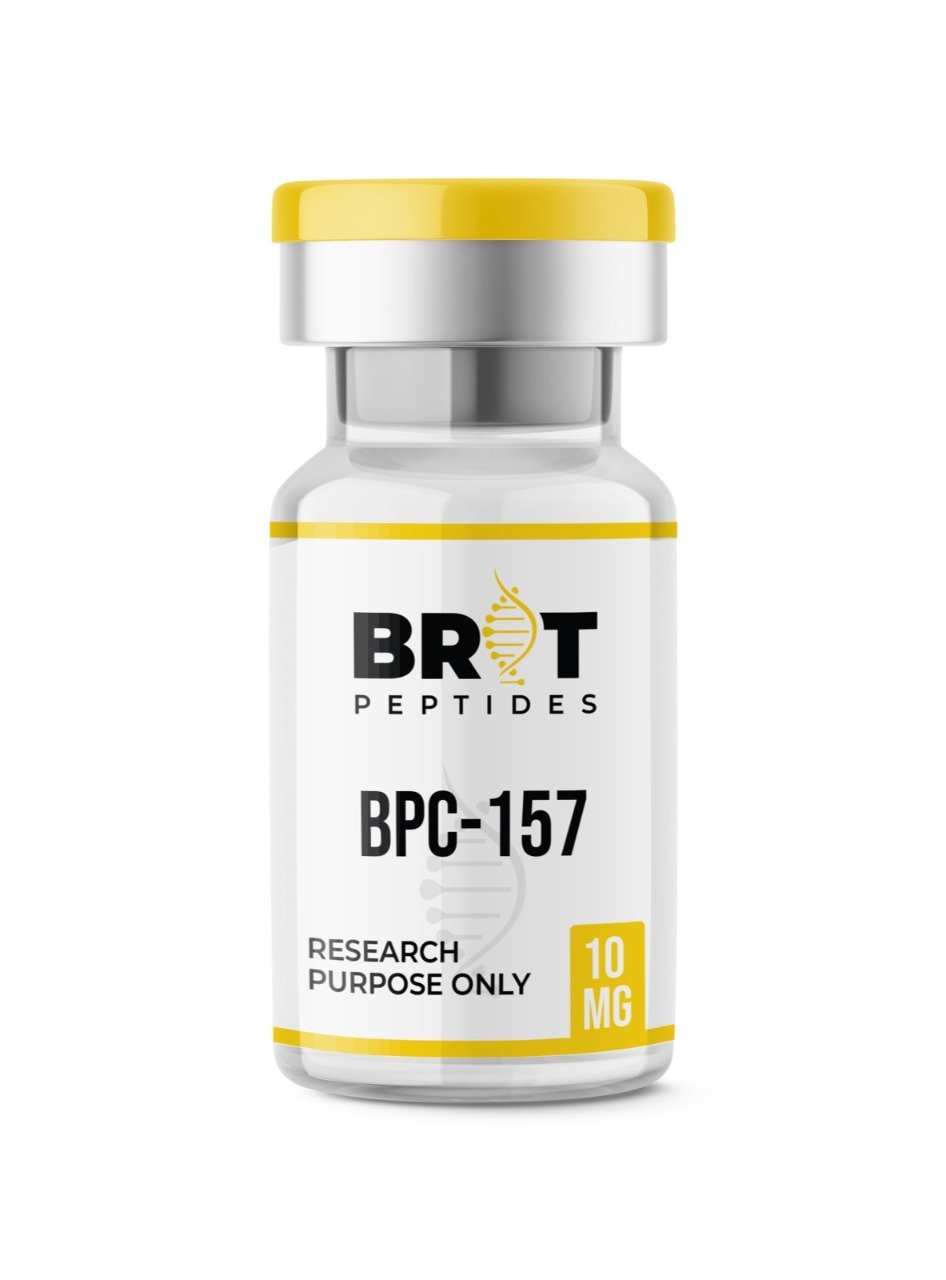
BPC 157

£27.99

BPC-157 is a laboratory-produced peptide derived from Body Protection Compound (BPC), a naturally occurring protein fragment originally identified in human gastric juice. Within experimental and preclinical research, BPC-157 has been extensively investigated for its involvement in cellular repair processes, tissue integrity, and signaling pathways related to injury response. Due to these characteristics, it has become a well-established subject of scientific interest across multiple research domains.

For Research Use Only

This product is supplied strictly for scientific research and laboratory experimentation.
It is not intended for human consumption, clinical use, or any therapeutic application.

Research Areas of Interest

Scientific investigations involving BPC-157 have explored several key biological and cellular mechanisms, including:

Tissue Repair and Regeneration Models

Studied for its role in supporting cell survival, migration, and structural repair in experimental models involving muscle, tendon, ligament, and connective tissue damage.

Gastrointestinal Integrity Research

Extensively researched in preclinical settings for its involvement in maintaining mucosal integrity and epithelial repair mechanisms within gastrointestinal injury models.

Angiogenesis and Vascular Stability

Explored for its influence on blood vessel formation and stabilization, particularly in experimental models related to wound healing and ischemic tissue recovery.

Inflammatory Pathway Modulation

Investigated for its interaction with inflammatory signaling pathways, especially in models examining chronic inflammation or repetitive mechanical stress.

Neural and Organ Protection Studies

Evaluated in early-stage research for its potential role in neural protection and organ resilience, though findings remain within experimental and non-clinical frameworks.

Collectively, these research areas highlight BPC-157’s relevance as a versatile and widely studied peptide in laboratory research environments.

Technical Information

Peptide Name: BPC-157

Chemical Description: Synthetic fragment of Body Protection Compound (BPC)

Also Known As: Body Protection Compound-157

Molecular Formula: C₆₂H₉₈N₁₆O₂₂

Molecular Weight: Approximately 1,419 g/mol

Amino Acid Sequence:
Gly-Glu-Pro-Pro-Pro-Gly-Lys-Pro-Ala-Asp-Asp-Ala-Gly-Leu-Val

CAS Registry Number: 137525-51-0

Peptide Type: Synthetic stable pentadecapeptide derived from human gastric protein

⚠️ Important Notice

BPC-157 is provided strictly for research and laboratory use only.
It is not approved for human or veterinary use and must not be used for diagnostic, therapeutic, or consumption purposes.

Terms & Conditions

By purchasing products from Tested Peptides, you confirm that you have read, understood, and agreed to the terms below:

Ethical & transparent:

For Research Purposes Only

All products are supplied strictly for non-clinical, non-commercial laboratory research. They are not intended for use in food, cosmetics, pharmaceuticals, or any application involving living organisms.

No Human or Animal Use

These products are not approved for use in or on humans or animals and must not be ingested, injected, applied topically, or otherwise introduced into the body.

Next day Delivery (Uk):

Order by 2:30 PM (Mon–Fri) for fast next day delivery

Expert customer support & education:

Customer Responsibility

The buyer is solely responsible for ensuring proper handling, storage, and use in compliance with all applicable laws and regulations. Tested Peptides does not provide legal or regulatory advice beyond this disclaimer.

Limitation of Liability

Tested Peptides accepts no responsibility for misuse, mishandling, or use outside the intended research purpose, nor for any consequences resulting from such use. All purchases and usage are entirely at the buyer’s own risk.

Eligible Customers

Products are intended only for individuals or institutions with appropriate knowledge of laboratory research practices. No claims are made regarding suitability for any specific research outcome.


Scroll to Top